
A hockey game and an NFL game can make an appealing city break, but the team names alone are not enough to build the trip. You need two real home dates, the actual venues and a workable journey between your hotel and each entrance. Detroit and Seattle illustrate the checks without assuming that any particular weekend contains both events.
Cover: Climate Pledge Arena, photographed by SeaCow. CC BY-SA 4.0; resized and converted to WebP. This version is shared under the same license.
Choose two venues, not just a team city
In Detroit, the Red Wings play at Little Caesars Arena, while the Lions' home is Ford Field. In Seattle, the Kraken use Climate Pledge Arena and the Seahawks use Lumen Field. Each pairing involves two separate buildings, with separate event information to check.
Start by placing both venues and your potential accommodation on a map. Look at the entrances and the routes you would actually use, not just the distance between the stadium labels. This first pass tells you whether you are designing two separate outings or attempting a direct transfer from one event to the next.
The NHL teams and arenas map guide can help you understand the hockey geography before narrowing the city. Once you have a candidate, confirm the specific game's venue with the team. A broad metropolitan label is useful for choosing a destination; it is not a substitute for the address attached to your ticket.
Choose the hockey experience first if that is the reason for traveling. Decide whether you care about a particular opponent, a specific arena or simply seeing your club away from home. Those choices lead to different searches. Adding football should strengthen the trip you wanted, rather than push you into a hockey date that does not interest you.
Also ask whether everyone in the group wants both events. A traveler who mainly wants hockey may prefer a relaxed afternoon elsewhere while another person attends football. You can share accommodation and some city time without requiring every ticket purchase to be identical.
At this stage, your shortlist should contain venues and priorities, not a claim that the doubleheader is available. Keep two or three candidate dates if your travel is flexible. The next check is whether the teams' home schedules turn one of those possibilities into a real itinerary.
Find a real home-game pairing
Find the hockey date through the NHL schedule for the coming week or the club's full season calendar for a later trip. Confirm the game through the team's official schedule and ticket listing. In a two-city matchup, make sure you have identified which club is at home rather than assuming the first familiar name is the destination.
Then use NFL-Schedule.com's team schedule directory to inspect the local football team's games. This is a related site in the same project as NHL Schedule. Choosing the Lions or Seahawks brings the football dates into a team-focused view, which you can compare with your hockey candidate. Verify the selected event with the football club before committing to the trip.
Your comparison needs the full local date, the venue and the home-or-away designation for each game. Put the opponent beside those fields as a final identity check. A football club can have a game that weekend without providing a home event you can attend in the city you selected.
Do not start with a rule that hockey must be Saturday evening and football Sunday afternoon. Treat that as one possible arrangement among several. Read the actual assignments and assess what they mean for arrival and departure. If the football time is unannounced, your itinerary still has an unresolved dependency.
Use the destination's local time consistently. When traveling from another time zone, an event saved on your phone may display differently from a screenshot sent by a friend. Include the time-zone label in the shared plan and check the date after conversion. This is particularly useful around autumn clock changes and for overnight flights.
The NHL calendar page can help you keep the hockey date visible as you plan. Save the team and venue links alongside the appointment so you can revisit them. Calendar tools are reminders and organizing aids; the latest official event information remains the place to confirm an important change.
Before buying, classify the pairing as comfortable, uncertain or unsuitable. Comfortable means the dates and journeys fit with room for ordinary delays. Uncertain means a missing start time or another unresolved detail could change the decision. Unsuitable means you would knowingly sacrifice a part of the trip that matters to you. This simple distinction makes it easier to stop searching an attractive city when the actual dates do not work.
Measure the journey from exit to entrance
For a same-day pairing, the useful travel estimate begins when you leave your seat at the first event and ends when you reach your seat at the second. A map's driving time covers only part of that journey. You still need to leave the building, reach the transport, travel, walk to the correct entrance and pass the second event's entry checks.
Seattle offers a concrete benefit worth checking. Climate Pledge Arena's transportation guidance says publicly ticketed events include a public transit pass, with use available two hours before doors open and two hours after the event. It also includes the Seattle Center Monorail. Follow the current app instructions and validity rules; do not treat an arena event benefit as a pass for every journey throughout the weekend.
That detail can affect where you stay and how you approach the hockey game. It does not settle the football journey. Build a separate route for Lumen Field using current stadium and transit guidance, then see whether the two routes work from the same accommodation. Compare the whole itinerary rather than selecting a hotel solely because one arena appears nearby.
In Detroit, consult both Ford Field's directions and Little Caesars Arena's parking and directions. Choose an actual arrival point for each event. If you intend to walk between venues, check the route you will use and your group's needs instead of turning a short-looking map line into a guaranteed transfer time.
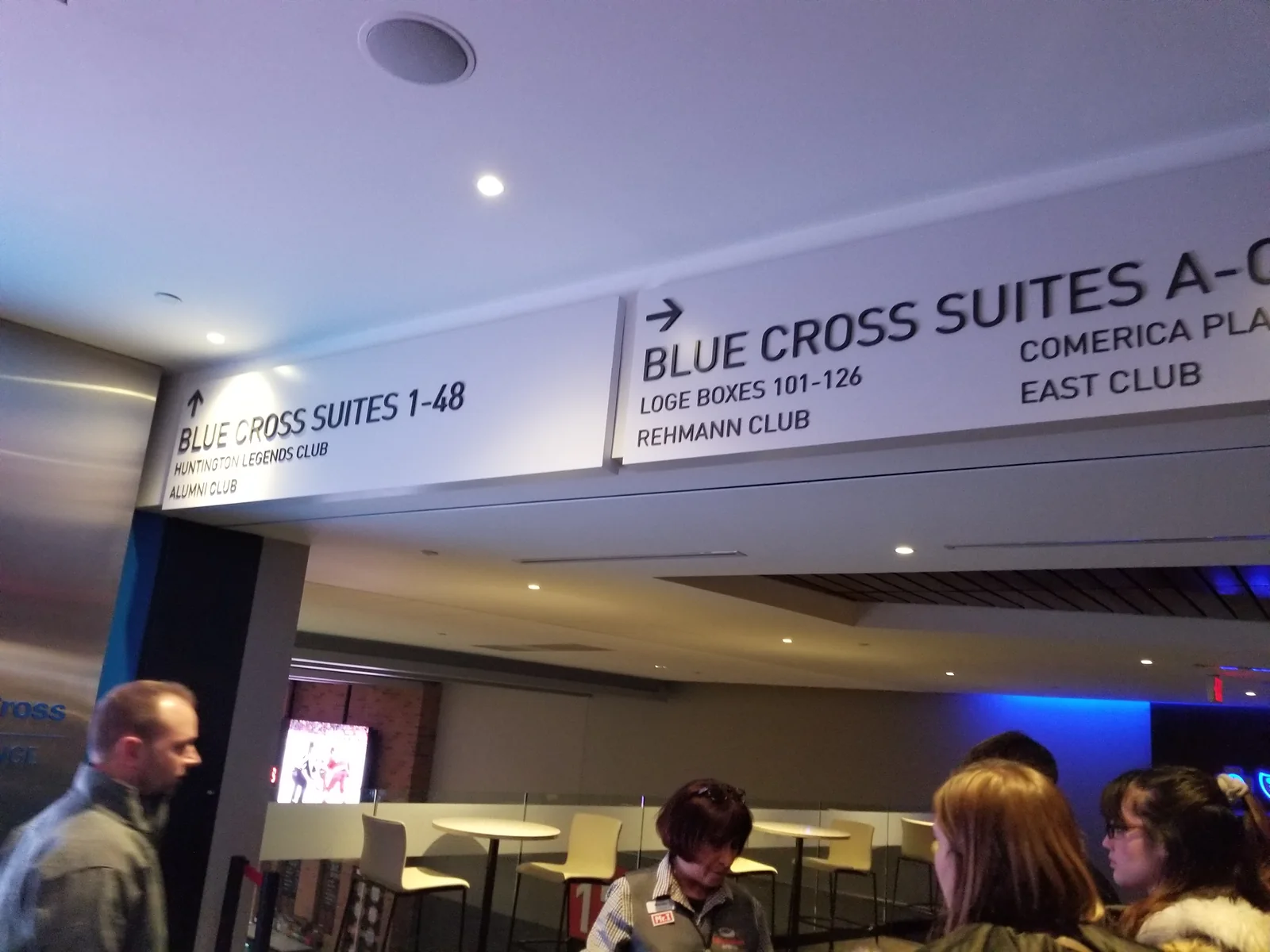
Make room for a meal and a break if both events occupy the same day. That is especially relevant if your plan otherwise depends on carrying everything straight from one venue to the other. Check whether you need to return to the hotel, store a bag or collect a member of your group; these are real parts of the connection.
For a practical test, work backward from your desired arrival at the second event. Subtract the journey and the entry buffer you consider reasonable, then ask what time you would need to leave the first. If that means abandoning the closing stages of the game you came to see, the schedule may fit mathematically while failing your actual purpose.
Two games on different days often make the planning less demanding, but they still require two transport plans. Check the evening return service, the pickup location if you use a car and any current alerts before setting out. Reusing yesterday's route without checking today's event conditions defeats the benefit of planning ahead.
Keep two admissions and a flexible return plan
Purchase each event as its own admission unless a seller clearly states that a package includes both named games. Read the date and opponent before checking out, then check the seat location against that event's seating map. A hockey view you enjoy and a football view you enjoy do not need to be the same kind of seat.
Mobile tickets also deserve preparation before departure. Little Caesars Arena's venue guide encourages guests to save tickets to their mobile wallets. Organize the two events so you can identify the right admission quickly, and make sure each person who needs a separate ticket can access it. Resolve transfer or account questions through the official ticket provider before reaching the entrance.
Entry rules must be checked twice. For example, Climate Pledge Arena's guide directs bags larger than a clutch to designated X-ray screening lines. Another venue can have a different policy. Do not assume that something accepted at the hockey game will also be accepted at football simply because both are major sporting events.
Build the cost comparison around the complete trip: both admissions, accommodation, local journeys and the return home. Read the change and cancellation conditions for the bookings you are considering. The relevant question is how much flexibility you need if the event plan changes, not whether one ticket initially looks inexpensive.
A hypothetical itinerary might put hockey on Friday, leave Saturday for the city and place football on Sunday, with departure afterward only if the actual timing permits. Another might use Saturday hockey and Monday travel. These are layouts to test against published schedules, not descriptions of available Detroit or Seattle fixture combinations.
If your only workable return would require leaving the second game early, make that tradeoff explicit. Someone may be happy to do it; someone else may consider seeing the finish essential. Decide before buying rather than discovering the disagreement when the group is already in the stadium.
Keep one final review point shortly before travel. Revisit both official event pages, check the transport alerts, open both tickets and confirm the accommodation and return details. If a change breaks the connection, return to the priority you established at the start. A good hockey-first trip can still be worthwhile without forcing a second game into an unsuitable gap.
When the dates, venues and journeys all fit, the appeal is straightforward: two different live sports experiences in one city, with enough time to enjoy each. The planning work is what turns that idea into a weekend you can follow without rushing from one uncertain commitment to the next.
Comments
Comments are reviewed before publication. Spam, abusive content and policy-violating links are not published.
Sign in with Google to leave a comment.
Loading comments...