Why the 2021 playoff bracket looked different
Tampa Bay won the 2021 Stanley Cup, defeating Montreal four games to one in the Final. The Lightning repeated as champions, but the route through that tournament differed substantially from the familiar Eastern and Western Conference bracket. The completed results need to be read through the temporary divisions used for the 2020-21 season.
That context explains an otherwise puzzling matchup: Montreal played Vegas in the round before facing Tampa Bay. It was a legitimate product of the year's format, rather than a mislabeled conference final. This archive covers all fifteen series and identifies the stage at which each team advanced or was eliminated.
Four temporary divisions and sixteen qualifiers
The league used East, Central, North and West Divisions during a shortened fifty-six-game regular season. The North contained all seven Canadian clubs. The top four teams from each division qualified, creating a sixteen-team field without the usual conference wild-card allocation.
Within each division, the first-place team played the fourth-place team and second played third. The winners then met in the second round. Only after those two rounds did clubs leave their division-based routes: the four survivors were reseeded by regular-season points for the Stanley Cup Semifinals.
The NHL's announcement of the 2020-21 format established that special structure. Every playoff series still required four game wins. The temporary alignment changed the opponents a club could encounter, while keeping the four-round, best-of-seven championship task intact.
The current playoff-format guide describes a different qualification system. Applying its normal wild-card assignments backward to 2021 would put clubs in the wrong opening matchups and miss the semifinal reseeding.
Home arenas rather than a repeat of the 2020 bubble
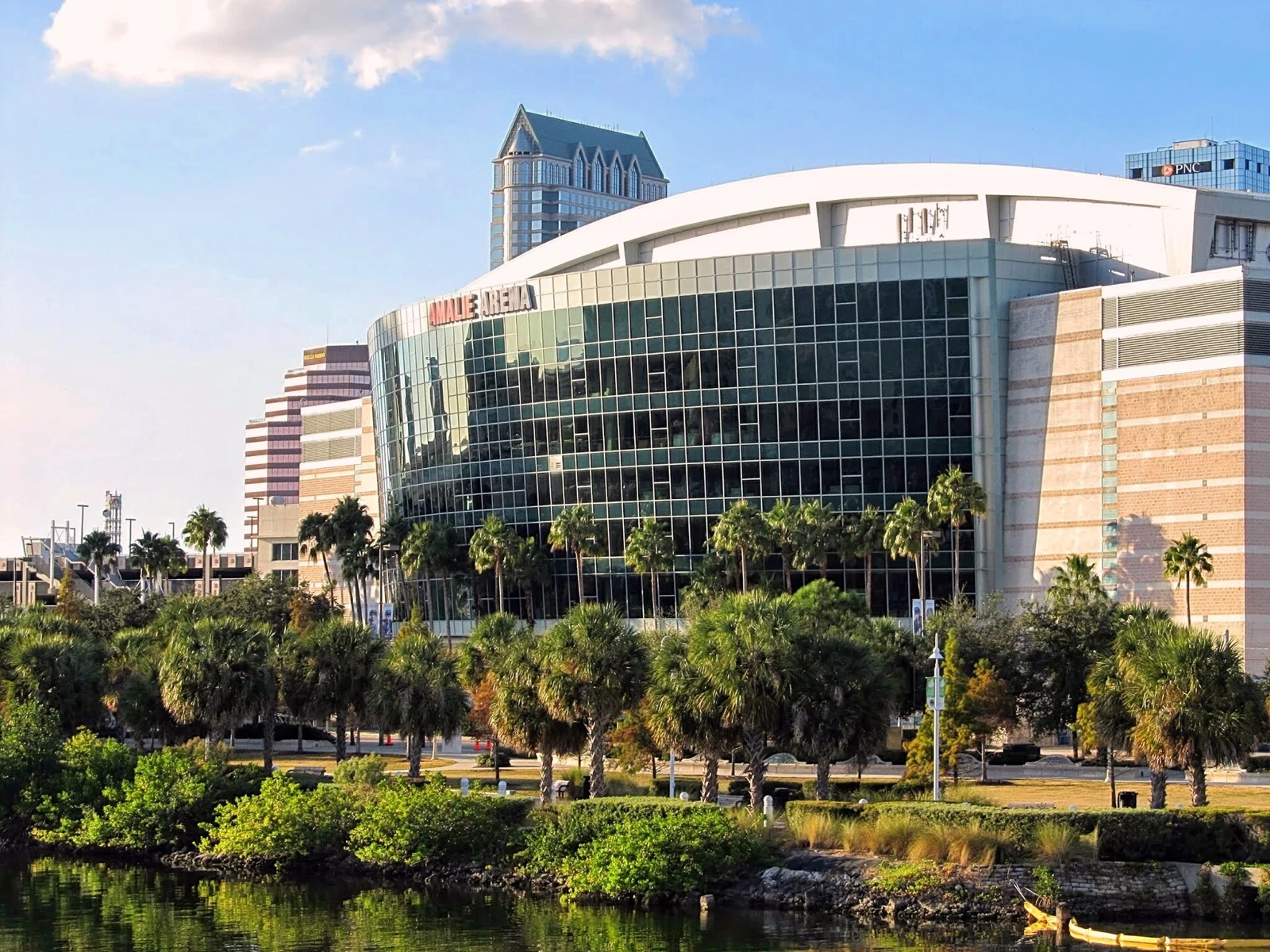
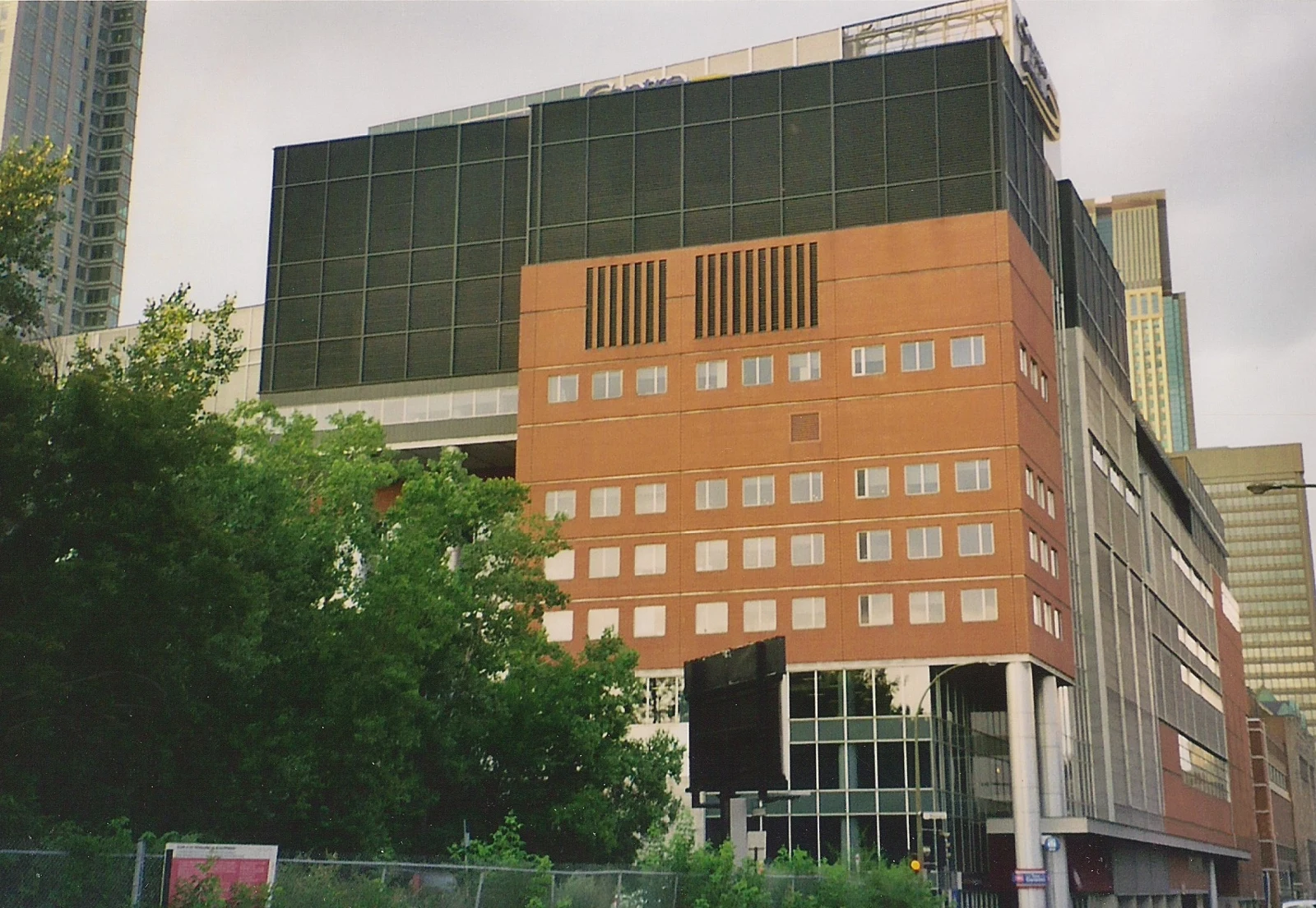
The 2021 postseason should also be distinguished from the previous year's hub-city tournament. Clubs played at home and away arenas. Montreal hosted games at Bell Centre, and Tampa Bay hosted games at Amalie Arena. A cross-border exemption announced during the 2021 playoffs allowed the later Canada-U.S. matchups to proceed.
The pandemic still shaped the event, including its division arrangement and varying attendance conditions, but it did not turn the whole tournament into the 2020 bubble again. When choosing old highlights or game recordings, use the year and arena together; otherwise footage from the two unusual seasons can be easy to confuse.
First-round results: East and Central
| Division | Matchup | Winner and series result |
|---|---|---|
| East | Pittsburgh Penguins vs. New York Islanders | Islanders, 4-2 |
| East | Washington Capitals vs. Boston Bruins | Boston, 4-1 |
| Central | Carolina Hurricanes vs. Nashville Predators | Carolina, 4-2 |
| Central | Florida Panthers vs. Tampa Bay Lightning | Tampa Bay, 4-2 |
The East Division lost its top two regular-season finishers immediately. Pittsburgh fell to the fourth-place Islanders, while second-place Washington lost to third-place Boston. The result was an Islanders-Bruins second round, with neither opening division favorite remaining to control the route.
New York finished Pittsburgh with a 5-3 Game 6 victory at Nassau Coliseum. Brock Nelson scored twice. The Islanders had won four games against the division's first-place club, an important distinction from merely finishing above it in a later reconstructed ranking. Pittsburgh's regular-season position earned an opening assignment and home ice, but New York collected the required series victories on the ice.
Boston took five games to eliminate Washington, the shortest of these four East and Central series. The Bruins therefore entered the next round after one fewer game than the Islanders. Their success ensured that the temporary East Division's survivor would come from a matchup between clubs originally seeded third and fourth.
Carolina protected its first-place Central position by beating Nashville in six games. Sebastian Aho's overtime goal ended the clincher 4-3. The Hurricanes moved on to Tampa Bay, bringing together the Central's first- and third-place qualifiers after both had completed six-game opening series.
Tampa Bay's 4-2 victory over Florida began the defending champion's route back to the Cup. The Lightning closed with a 4-0 Game 6 win at Amalie Arena, including twenty-nine saves from Andrei Vasilevskiy. That shutout would become part of a much larger pattern in Tampa Bay's series-clinching games during the run.
The Florida pairing can look odd if remembered through later seasons' Atlantic Division races. In 2021, Florida and Tampa Bay were temporary Central Division opponents. The bracket kept their winner on the Carolina-Nashville side through the next round, with the possibility of a new cross-division opponent reserved for the semifinals.
These four results left two clubs alive in each of the East and Central groupings. They did not yet establish an Eastern Conference champion. The competition still needed one survivor from each of four divisions before applying the special final-four seeding procedure.
First-round results: North and West
| Division | Matchup | Winner and series result |
|---|---|---|
| North | Toronto Maple Leafs vs. Montreal Canadiens | Montreal, 4-3 |
| North | Edmonton Oilers vs. Winnipeg Jets | Winnipeg, 4-0 |
| West | Colorado Avalanche vs. St. Louis Blues | Colorado, 4-0 |
| West | Vegas Golden Knights vs. Minnesota Wild | Vegas, 4-3 |
The North and West produced opposite seeding stories. The North's top two clubs, Toronto and Edmonton, both left in the first round. In the West, first-place Colorado and second-place Vegas advanced. Montreal's recovery against Toronto would become the foundation of the tournament's most surprising Final appearance.
Montreal's comeback and Winnipeg's sweep
Toronto led Montreal 3-1 before the Canadiens won three straight elimination games. Carey Price made thirty saves in the 3-1 Game 7 victory. Montreal had entered as the North's fourth qualifier, but the seventh game moved it past the division's regular-season leader.
The Canadiens' route deserves to be traced from that precarious position rather than simply labeled a Cinderella run. After four games, Toronto needed one more victory while Montreal needed three. The Canadiens completed all three before encountering an entirely different challenge in Winnipeg.
The Jets swept Edmonton, but the last three games required overtime. Kyle Connor ended the fourth game 4-3 in the third extra period. The 4-0 series line therefore combined complete control of the game-win column with several evenings decided by a single sudden-death goal.
Montreal and Winnipeg were the only Canadian clubs left after the opening round. Their next matchup would guarantee one North Division survivor for the semifinals, while the other three temporary divisions each supplied their own remaining club.
Colorado sweeps while Vegas survives seven games
Colorado eliminated St. Louis in four games. The Avalanche advanced without an opening loss and awaited the winner of Vegas-Minnesota. Their sweep was one of two in the round, alongside Winnipeg's, though the opponents and the later routes were entirely different.
Vegas needed seven games against Minnesota. Mattias Janmark's hat trick helped settle the deciding game 6-2, sending the Golden Knights toward Colorado. That gave the next West matchup the division's first two finishers, but one had played four opening games and the other seven.
The results ended Minnesota's attempt to turn a seven-game series into an upset and removed the 2019 champion, St. Louis. Colorado and Vegas now had to settle the West between themselves before either could be assigned a semifinal opponent from elsewhere in the league.
Second-round results: four division survivors
| Division route | Matchup | Winner and series result |
|---|---|---|
| East | Boston Bruins vs. New York Islanders | Islanders, 4-2 |
| Central | Carolina Hurricanes vs. Tampa Bay Lightning | Tampa Bay, 4-1 |
| West | Colorado Avalanche vs. Vegas Golden Knights | Vegas, 4-2 |
| North | Winnipeg Jets vs. Montreal Canadiens | Montreal, 4-0 |
The Islanders, Lightning, Golden Knights and Canadiens emerged as the four division survivors. None had entered the postseason as its division's first-place team. The Islanders and Montreal had each qualified fourth, while Tampa Bay entered third and Vegas second. The round therefore removed the final two opening division leaders, Carolina and Colorado.
New York defeated Boston in six games and finished with a 6-2 home victory. That sent the Islanders into the final four for the second consecutive postseason. Their two series wins had come against Pittsburgh and Boston, removing both higher-seeded opponents placed directly in their division route.
Tampa Bay beat Carolina 4-1, closing with a 2-0 win in Raleigh. Vasilevskiy again shut out an opponent in a deciding game. The Lightning had now eliminated Florida and Carolina, the two Central clubs that finished above them in the regular season, while conceding three game losses across the two series.
Vegas lost the first two games against Colorado, then won four straight to take the series 4-2. The opening losses did not require a Game 7 recovery because the Golden Knights finished the next four contests consecutively. Colorado's run ended in the second round despite beginning with six straight playoff wins: four against St. Louis and two against Vegas.
Montreal turns a seven-game escape into a sweep
Montreal followed its Toronto comeback by sweeping Winnipeg. Tyler Toffoli scored the overtime winner in the 3-2 Game 4 clincher at Bell Centre. The Canadiens had gone from trailing their first series 3-1 to winning seven consecutive playoff games across the two rounds.
Winnipeg experienced the reverse: four straight victories over Edmonton followed by four straight defeats to Montreal. That sequence gave the North Division two consecutive sweeps with different winners. The Canadiens became its survivor and awaited a semifinal assignment based on the four remaining clubs' regular-season records.
This was the point where the 2021 bracket changed its organizing principle. Division routes had done their job by producing four teams. The next opponent was determined by the special final-four seeding procedure, rather than by preserving the ordinary Eastern-versus-Western conference separation.
Stanley Cup Semifinals: the reseeded final four
The league ordered the four survivors by regular-season points: Vegas had eighty-two, Tampa Bay seventy-five, the Islanders seventy-one and Montreal fifty-nine. The new No. 1 played No. 4, and No. 2 played No. 3. That produced Vegas-Montreal and Tampa Bay-New York.
These were semifinal seeds, distinct from the original division seeds. Vegas had been second in the West but became first among the four remaining teams. Montreal had entered fourth in the North and also ranked fourth among the semifinalists, though those matching numbers came from different comparisons.
The official semifinal announcement documented the exceptional pairing system. It is why Montreal and Vegas could meet despite normally occupying different conferences, and why the historical round should be called the Stanley Cup Semifinals.
Montreal eliminates Vegas
Montreal defeated Vegas 4-2. Artturi Lehkonen's overtime goal completed a 3-2 Game 6 victory at Bell Centre on June 24. The Canadiens reached the Final for the first time since 1993, adding a win against the highest-ranked semifinalist to their earlier victories over Toronto and Winnipeg.
The path contained three different kinds of series: a seven-game comeback, a sweep and a six-game semifinal. Montreal was not simply benefiting from a single favorable opponent. It had won twelve playoff games against three clubs and had crossed from the all-Canadian North route into an international matchup against Vegas.
The semifinal also showed why the regular-season point gap was a seeding tool rather than a predicted series score. Vegas's stronger record gave it the higher seed and the opening home games. Montreal still won the four contests required to advance and finished the series at home.
Tampa Bay survives the Islanders
Tampa Bay needed seven games to beat New York, finishing the series 4-3. The decisive Game 7 ended 1-0, with Yanni Gourde scoring shorthanded and Vasilevskiy stopping eighteen shots. One goal supplied the entire scoring margin between a return to the Final and elimination.
For the Islanders, a second consecutive trip to the final four ended one victory short of the championship round. For Tampa Bay, the seven-game test followed a six-game Florida series and a five-game Carolina series. The defending champion had now won twelve games while accumulating six losses.
The two finalists were therefore Tampa Bay and Montreal, clubs that would ordinarily be associated with the same conference. Their meeting was fully consistent with the 2021 competition rules. Reconstructing it through a normal East-West chart would erase the special structure that had made the matchup possible.
Stanley Cup Final: Tampa Bay repeats in five games
Tampa Bay won the Final 4-1, completing the postseason on July 7. Montreal's first championship-round appearance since 1993 ended with one game win, while the Lightning added the 2021 title to their 2020 championship. The five-game series began in Tampa, moved to Montreal for Games 3 and 4 and returned to Florida for the clincher.
All five championship-game results
| Game | Date | Result |
|---|---|---|
| 1 | June 28 | Tampa Bay 5, Montreal 1 |
| 2 | June 30 | Tampa Bay 3, Montreal 1 |
| 3 | July 2 | Tampa Bay 6, Montreal 3 |
| 4 | July 5 | Montreal 3, Tampa Bay 2, overtime |
| 5 | July 7 | Tampa Bay 1, Montreal 0 |
The Lightning won the first three games, giving themselves four opportunities to close the series if necessary. Montreal extended the contest with an overtime victory in Game 4, preventing a sweep and returning the teams to Amalie Arena. The Canadiens' three previous series victories had included several sudden-death successes, and they earned one more in the Final.
Ross Colton scored the only goal in Game 5. Vasilevskiy made twenty-two saves in the 1-0 win, allowing Tampa Bay to finish the series without needing a sixth game in Montreal. The Canadiens' official game account records the same championship-clinching result from the losing side.
Vasilevskiy and the championship route
Vasilevskiy received the Conn Smythe Trophy as playoff MVP. Tampa Bay finished each of its four series with a shutout: 4-0 against Florida, 2-0 against Carolina, 1-0 against the Islanders and 1-0 against Montreal. That sequence provides a concrete thread through the champion's entire run.
The Lightning's series totals were 4-2, 4-1, 4-3 and 4-1. They played twenty-three games and finished 16-7. Montreal's totals were 4-3, 4-0, 4-2 and 1-4, producing a 13-9 record over twenty-two games. The semifinal seventh game made Tampa Bay's tournament one game longer than Montreal's despite the Canadiens' seven-game opening round.
For the full historical picture, retain both the results and the exceptional format. Tampa Bay repeated through two Central opponents, an East survivor and the North survivor. Montreal reached the Final through Toronto, Winnipeg and Vegas. Those actual paths distinguish 2021 from the conference brackets used in other years.
The current NHL team directory can help identify today's clubs, but its divisions should not be substituted into this historical chart. For present-day matchups and start times, use today's NHL games. The results here remain the record of the postseason completed in July 2021.
Comments
Comments are reviewed before publication. Spam, abusive content and policy-violating links are not published.
Sign in with Google to leave a comment.
Loading comments...